There are places on this planet that stop you mid-breath. The Maasai Mara is one of them. Stretching across 1,510 square kilometres of southwestern Kenya, this legendary reserve sits at the northern end of the greater Serengeti ecosystem and delivers a wildlife experience so consistently jaw-dropping that seasoned travellers return year after year, still finding something new to marvel at. Whether you are watching a cheetah sprint across open savannah or sipping sundowner coffee as a herd of elephants moves silently through the dusk, the Mara has a way of making everything else feel small.
The Great Migration: Nature's Greatest Spectacle
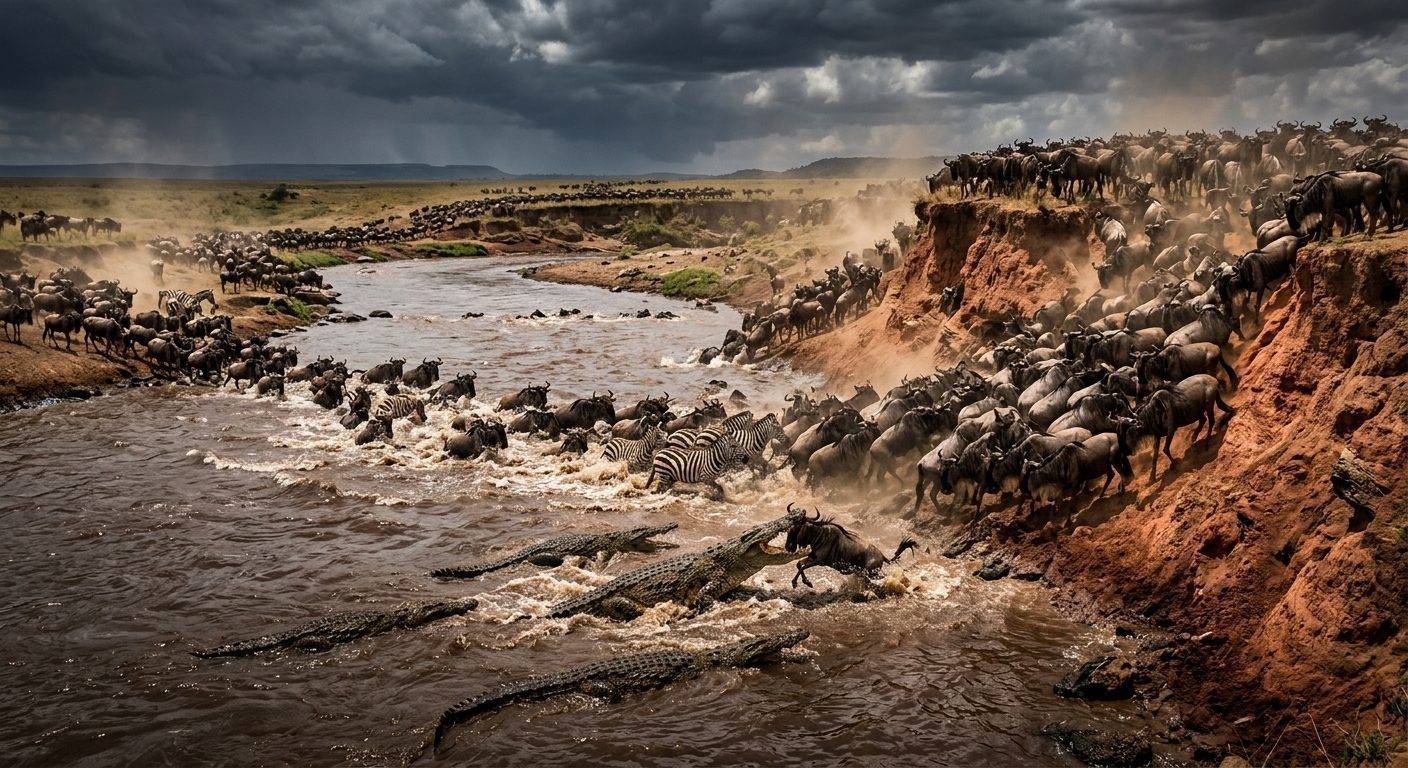
If you have heard of the Maasai Mara, you have almost certainly heard of the Great Migration — and the reality does not disappoint. Between July and October, over 1.5 million wildebeest, accompanied by hundreds of thousands of zebras and gazelles, pour north from Tanzania's Serengeti in search of fresh pasture, funnelling through the Mara River in one of the most dramatic wildlife events on earth. Watching a river crossing is visceral and unpredictable — crocodiles explode from the water, the banks heave with desperate animals, and the air fills with a sound that is equal parts chaos and awe. No two crossings are the same, and guides who have witnessed thousands of them still feel the electricity of every single one.
Big Five Country, All Year Round
What sets the Maasai Mara apart from many other African destinations is that the wildlife spectacle does not begin and end with the Migration. The reserve supports one of Africa's highest densities of lions, and the famous Marsh Pride — made internationally known through BBC's Big Cat Diary — has given generations of visitors unforgettable close encounters. Leopards drape themselves over acacia branches along the Talek and Sand rivers, while cheetahs use termite mounds as lookout posts before launching precision hunts across the open plains. Elephants, buffalo, and black rhino complete the Big Five, and the birdlife — over 570 recorded species — keeps birders busy long after the big mammals have retreated from the midday heat.
The Landscape: More Than a Backdrop
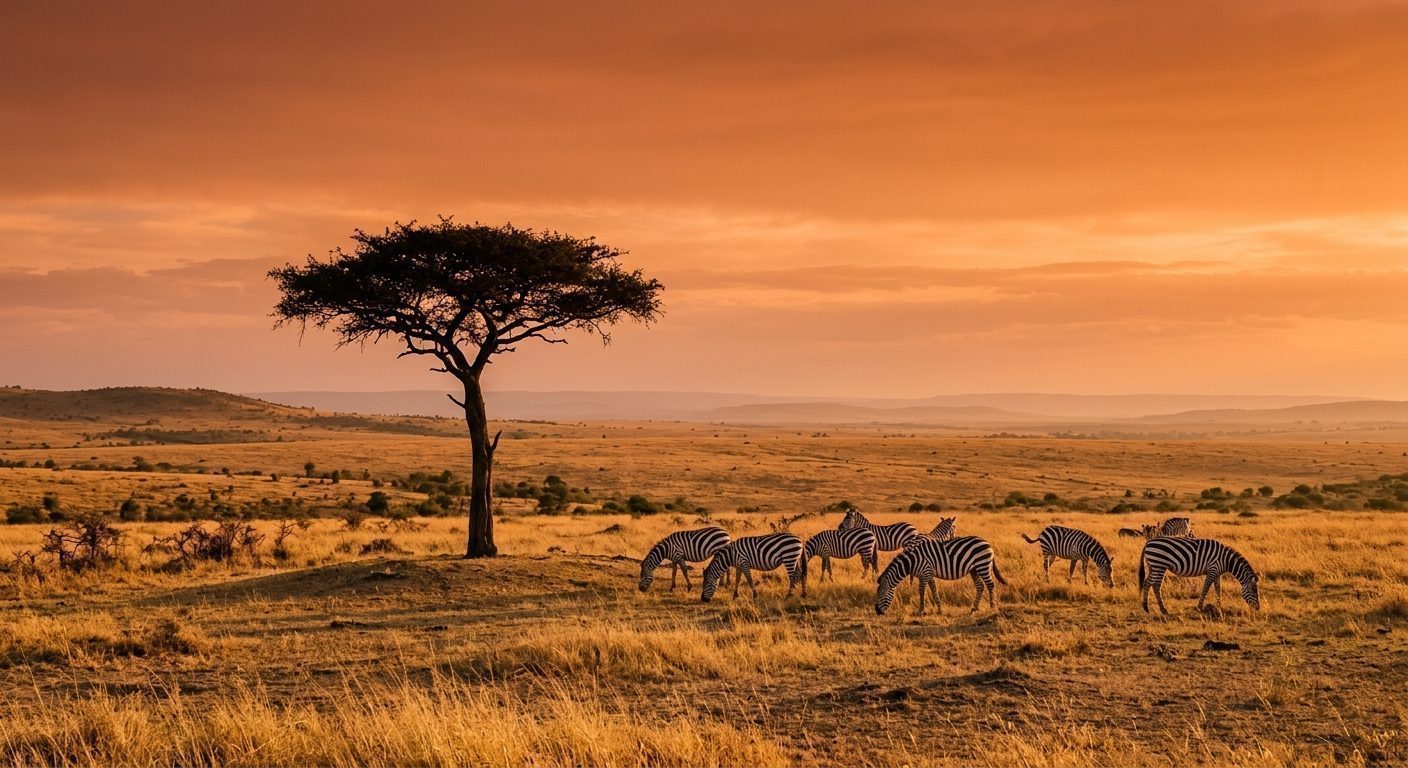
It would be easy to overlook the landscape itself when the wildlife is this spectacular, but the Mara's terrain is a character in its own right. The open rolling grasslands, known as the Mara Triangle, give way to rocky outcrops called kopjes, riverine forests thick with fig and crocodile bark trees, and sweeping valleys carved by the Mara and Talek rivers. This diversity of habitat is precisely why the Mara supports such an extraordinary range of species. Sunrise game drives here produce the kind of light that photographers chase for years — warm, horizontal gold washing over grass that turns amber and rose at the edges, with wildlife silhouetted against skies that look almost painted.
Beyond the Game Drive: Immersive Experiences
A great Maasai Mara safari is about more than climbing into a Land Cruiser at dawn. Hot air balloon safaris lift you silently above the plains at first light, offering a bird's-eye view of herds moving across the grassland below before finishing with a champagne breakfast in the bush — utterly unforgettable. Walking safaris with Maasai guides offer a completely different pace, teaching you to read animal tracks, identify medicinal plants, and understand the landscape at a human scale. A visit to a traditional Maasai village — a genuine community visit, not a staged performance — adds cultural depth that stays with you long after the tan lines fade.
Choosing the Right Time to Visit
The short answer is that the Maasai Mara rewards visitors in every season, each offering something distinct. July through October brings the Migration and the river crossings, making it peak season for good reason. November to February delivers quieter camps, lower rates, and the calving season further south, which draws predators into peak hunting activity. The long rains of April and May turn the plains a vivid emerald green and the bird life explodes in variety — ideal for photographers and nature enthusiasts who prefer solitude. No matter when you come, the Mara will give you something worth talking about for the rest of your life.
Staying in the Mara: Camps That Match the Landscape
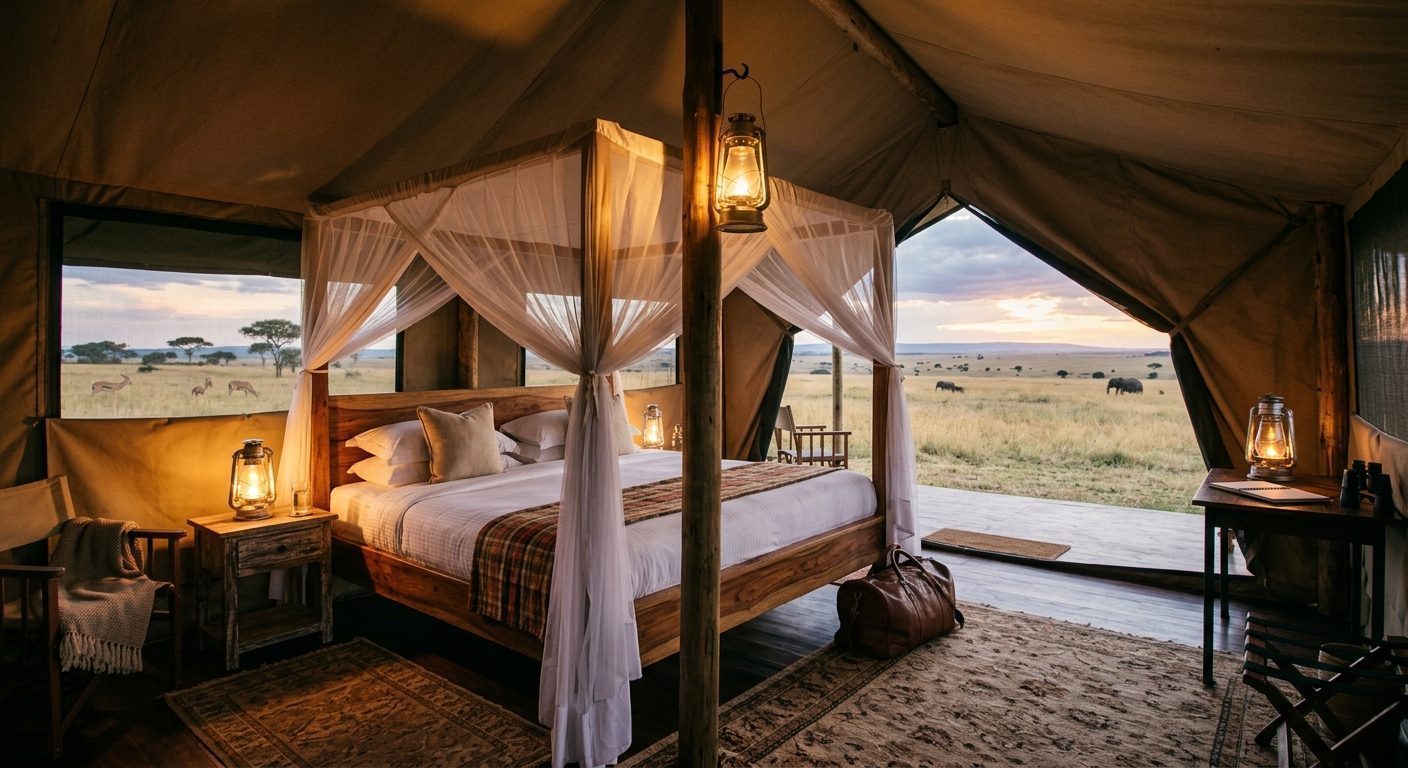
Accommodation in and around the Maasai Mara ranges from classic tented camps perched above the Mara River to intimate mobile camps that follow the Migration across the ecosystem. The best camps position you close enough to wildlife to hear lions calling at night while delivering genuinely warm Kenyan hospitality and food that would impress in any city restaurant. Staying inside the conservancies bordering the reserve — Olare Motorogi, Naboisho, and Mara North among them — means fewer vehicles at sightings, night game drives, and off-road driving that the reserve itself does not permit. These conservancies also channel revenue directly to local Maasai communities, making your stay a genuine contribution to conservation.
The Maasai: Guardians of the Land
No honest account of the Maasai Mara is complete without acknowledging the people whose ancestral land this is. The Maasai have coexisted with wildlife on these plains for centuries, and their traditional pastoral lifestyle — moving with cattle across the landscape rather than fencing and farming it — is a significant reason the ecosystem survived intact while so much of East Africa's wildlife habitat disappeared. Today, well-run community conservancies give Maasai landowners a direct financial incentive to protect wildlife over agriculture, and the results are remarkable. When you book a safari through a responsible operator like Wild Footprints, you are not just buying a holiday — you are participating in a conservation model that is genuinely working.
The Maasai Mara is not the easiest place to reach, and it is not the cheapest safari destination in the world. But for those who make the journey, it delivers something that no other place on earth quite replicates: raw, abundant, unapologetic African wilderness, shared by wildlife and people who have learned to value it together. If you have ever felt the pull of Africa — that quiet, persistent tug toward wide skies and wild things — the Mara is where you answer it. Our team at Wild Footprints is ready to help you plan every detail, from the perfect travel window to the camp that suits your style. The Mara is waiting.