Kenya is one of those rare destinations where every single month offers something extraordinary in the wild. But if you want to witness the thundering Great Migration, catch a cheetah sprinting across golden savanna, or explore the bush in near-total solitude, timing is everything. At Wild Footprints Safaris and Tours, we have guided travellers through Kenya's wilderness across all twelve months, and the single question we hear most often is: when should I go? This guide will answer that honestly, season by season, so you can plan the safari that matches your dreams — and your budget.
Understanding Kenya's Two Safari Seasons
Kenya's wildlife calendar is shaped largely by two annual rainfall patterns rather than the four seasons most travellers are used to. The long rains fall between March and May, while the short rains arrive in November and into early December. Sandwiched between them are two dry seasons: the long dry from late June through October, and the short dry from January through February. Each period transforms the landscape and wildlife behaviour in distinct ways, which is why there is genuinely no single "best" month — only the best month for what you personally want to see and experience.
January and February: The Short Dry Season
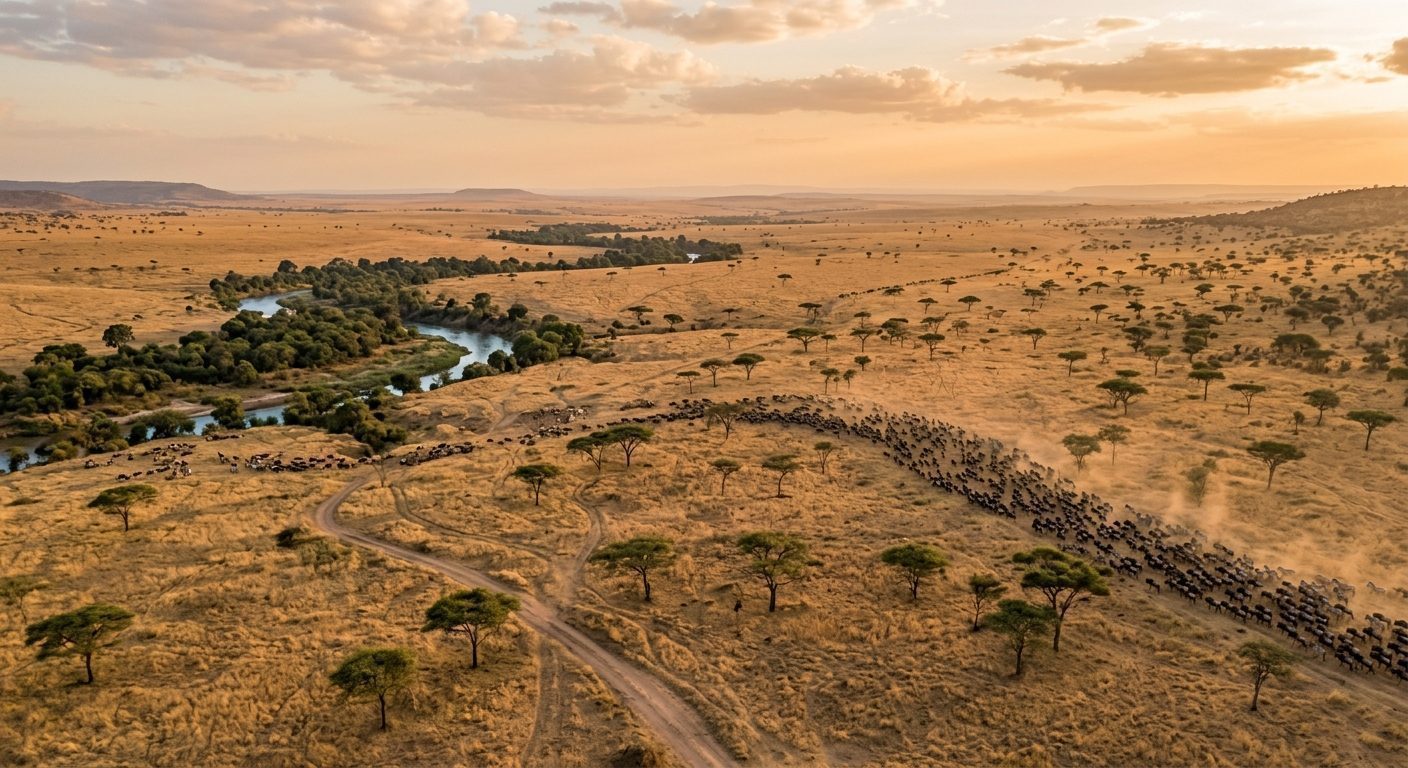
These two months are arguably Kenya's most underrated safari window. The short rains have eased, skies are clear, and the landscape retains enough green flush to keep it photogenic without obscuring wildlife. Amboseli National Park shines in January, with dust-free views of Mount Kilimanjaro towering above herds of elephants. February is also peak calving season on the southern Serengeti ecosystem, meaning predator activity spills across into Kenya's Loita Plains. Visitor numbers are still relatively manageable compared to the peak July and August rush, and lodge rates are friendlier too.
March, April and May: The Long Rains
This is Kenya's quietest safari period, and it carries an undeserved reputation for being a write-off. Yes, afternoon downpours are common and some back-country tracks in Tsavo West and the Aberdares turn genuinely muddy. But the parks are lush, birdlife reaches its absolute peak with Eurasian migrants still present, and resident wildlife congregates around permanent water rather than scattering across vast distances. Lodges offer their lowest rates of the year, and you will often share a game drive vehicle with nobody but your guide. If intimacy and value matter to you, the green season is a secret worth knowing.
June and July: The Season Builds
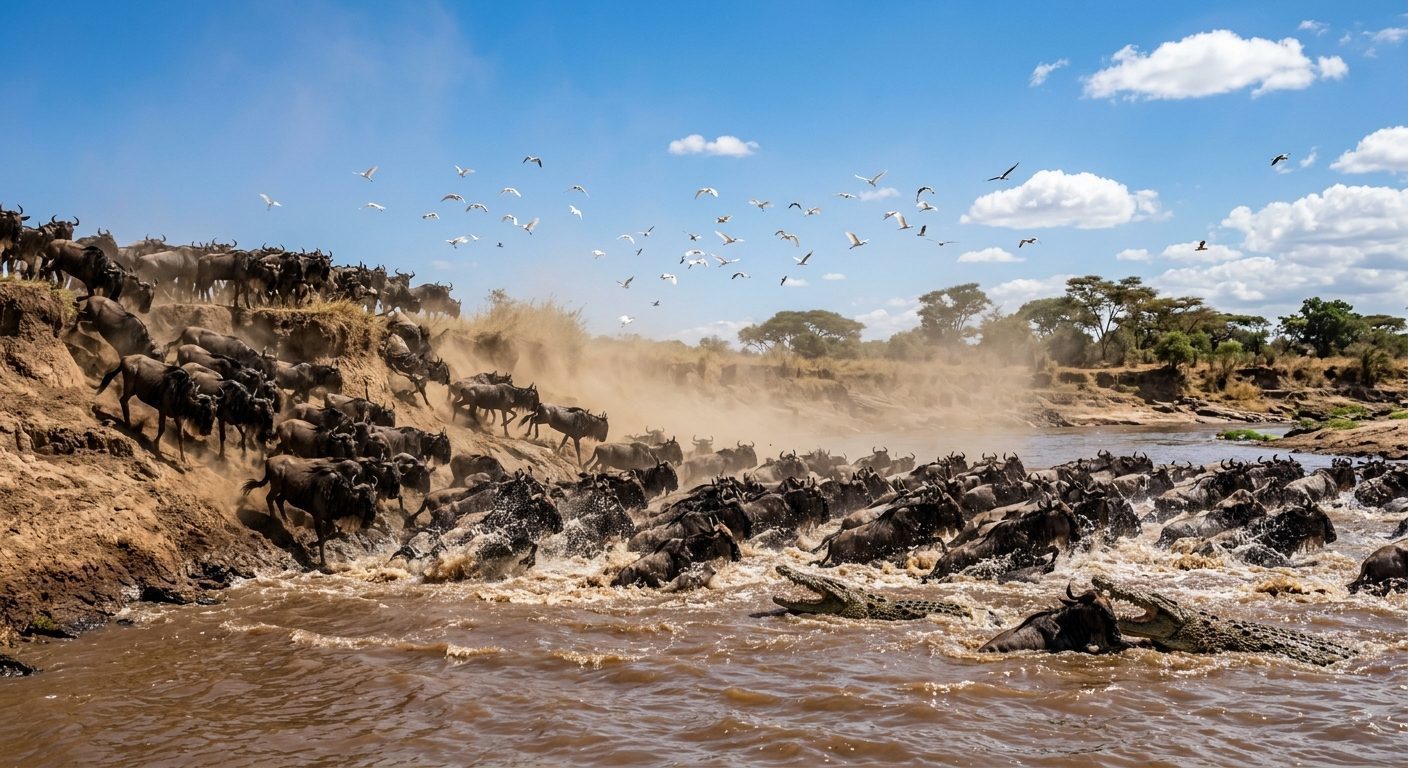
By June the rains have retreated, grass begins to dry and thin, and animals become progressively easier to spot as vegetation opens up. The wildebeest columns that have been churning northward through Tanzania start crossing the Kenyan border from late June onward, entering the Maasai Mara ecosystem. July marks the true beginning of high season: the first dramatic Mara River crossings can happen as early as mid-July, predators are highly active, and the combination of clear skies and long golden-hour light makes for exceptional photography. Book well in advance — the best camps along the Mara River fill up months ahead.
August, September and October: Peak Safari Season
This three-month window is the crown jewel of the Kenyan safari calendar. The Migration is in full swing across the Maasai Mara, with hundreds of thousands of wildebeest and zebra grazing the rich red oat grass while lions, leopards, cheetahs and hyenas capitalise on the spectacle. September and October see the herds at their densest inside the Mara before they begin the return journey south. Beyond the Mara, this is also the best time for diving and snorkelling off the coast near Watamu and Diani Beach once the dry-season winds ease in October, making a bush-and-beach combination itinerary particularly satisfying. The trade-off is price and crowds: peak season demands peak planning.
November and December: Short Rains and Festive Magic
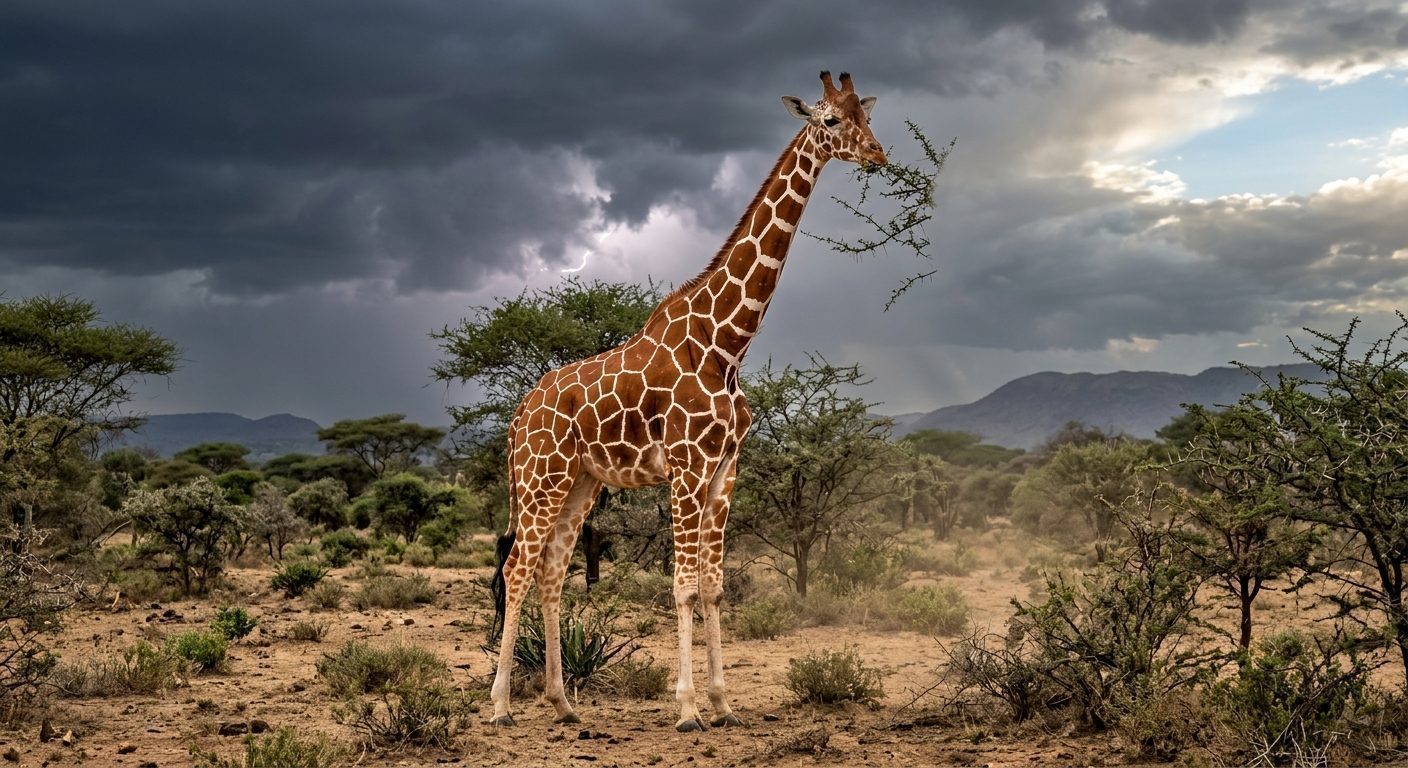
November brings the short rains — typically brief, dramatic afternoon showers that rarely disrupt morning game drives. The Mara grass turns vivid green almost overnight, and while the Migration has moved back into Tanzania, resident wildlife remains abundant and the landscape is photogenic in a completely different way. December is Kenya's festive season, and many families choose Christmas and New Year safaris at this time. Samburu National Reserve in the north is an excellent December choice, offering endemic species like the reticulated giraffe, Grevy's zebra and gerenuk in a semi-arid landscape that drains quickly after rain. Expect elevated rates over the Christmas and New Year period, but the atmosphere in the bush is genuinely magical.
Matching the Month to Your Safari Goals
If witnessing the Great Migration crossing is your primary goal, target July through October with the Maasai Mara as your base. For elephant encounters framed by Kilimanjaro, January and February in Amboseli are unbeatable. Keen birders will find March through May revelatory, with over 1,000 recorded Kenyan species active across habitats. Budget-conscious travellers who can be flexible should seriously consider April, May or November, where exceptional experiences are available at a fraction of peak-season prices. Whatever month you choose, Kenya's wildlife will exceed your expectations — the only real mistake is going without expert local guidance.
At Wild Footprints Safaris and Tours, we craft itineraries around your travel dates, not the other way around. Our team knows which waterholes are productive in March, which kopjes the cheetahs favour in September, and which small-group camps give you an authentic experience without the crowds. Reach out to us and let's build your Kenya safari from the ground up — because the best time to visit Kenya is whenever you are ready to go, and we will make sure every day in the bush counts.